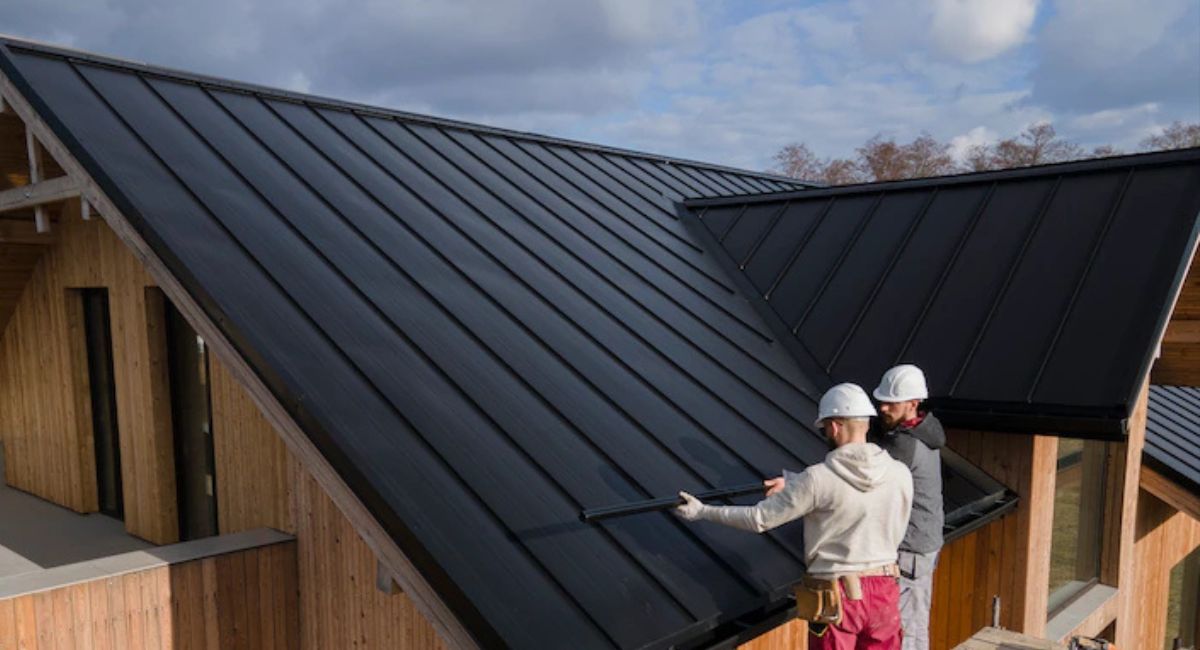



Cladding your home’s outside wall is one of the nicest things you can do for your property because it shields it from irritants and bad weather conditions that could ruin the structure or detract from its aesthetic appeal. But simply installing alucobond cladding and leaving it there is insufficient. It needs to be maintained; otherwise, it would start to grow mould and lose its beauty, which would negate the reason it exists.
Most people are unaware that, rather than regularly replacing their wall cladding panels as they age, they may maintain them, which is simpler and less expensive. This post will cover essential and useful methods for maintaining external wall cladding panels.
1. Regular Cleaning
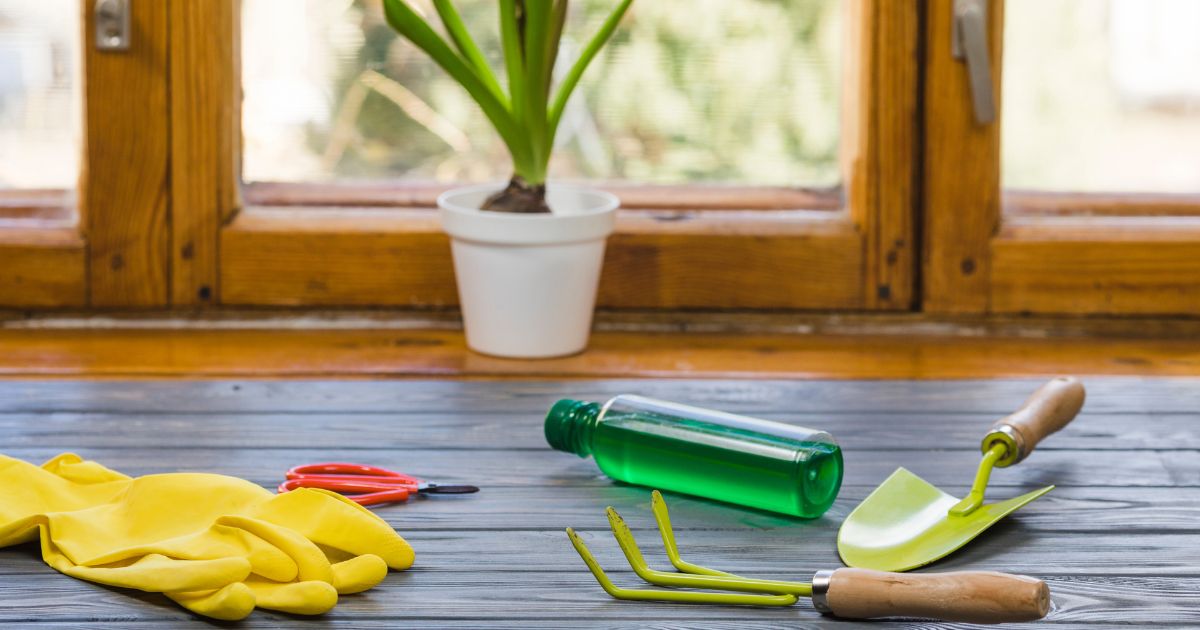
Cleaning your wall cladding regularly is one of the most important ways to maintain it. Two thorough cleanings per year are the recommended frequency for outside wall cladding. Spring and fall are the best times; you must stick to these cleaning schedules. The cleaning technique is also crucial. A gentle brush or sponge and a light detergent solution (warm water and detergent combined) are advised.
Because high-pressure or abrasive washers can harm the panels, mild cleaning is advised. The panels may no longer last due to surface deterioration compromising their durability. When cleaning, focus on certain places, including the windows, doors, soffits, and other corners. This is because they are the places that gather dirt, grime, and debris the most.
2. Remove Mould and Mildew Growth
You might want to watch for mould and mildew growing on the wall cladding if you reside in an area that experiences a lot of rainfall. This is because mould and mildew flourish in moist conditions. Deal with them immediately and eliminate them as soon as you see them grow. It will spread deeper and could harm your bodily and mental well-being if you don’t take immediate action.
The most efficient way to eliminate mould and mildew is to use a commercial mould and mildew cleaner or a diluted bleach solution. You can choose appropriate ventilation to enhance the likelihood of dryness and decrease moisture buildup, as moisture is the cause of mould and mildew.
3. Inspect for Damage
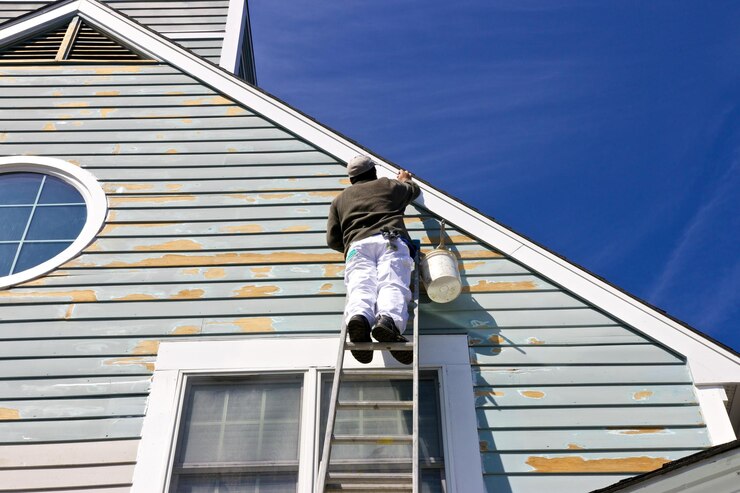
Only by regularly checking your Alucobond cladding can you spot any fractures, warping, loose panels, or any other damage. Insects or the weather can also cause this harm. Address any minor issues you find during the examination immediately to save them from worsening and creating more serious problems. Consult or contact a skilled specialist knowledgeable about the cladding panel you have if you discover the damage too late and it is beyond your area of competence.
4. Re-Sealing (if applicable)
You can re-seal Alucobond cladding made of fibre cement or wood to preserve its protective coating and stop moisture absorption. It is best to seek advice from the manufacturer to determine the proper re-sealing technique. There should be set times for re-sealing, and such times should be adhered to. You can employ a professional to apply the sealant correctly if you want the greatest outcome while re-sealing.
5. Gutter and Drainage Maintenance
You should regularly clean your gutters and downspouts to stop water, especially rainwater, from building up. The cladding panels may sustain moisture damage if the water is allowed to build up. Even if you attempt to ventilate it, your efforts will be ruined once the water builds up again.
Proper drainage can be constructed away from the building’s base. Preventing water from collecting close to the panels reduces the possibility of mould and mildew developing from standing moisture.
6. Vegetation Control
To avoid moisture retention, damage, and scratches, make sure that any trees or gardens you have in your outdoor area, or plan to have one, are kept away from the cladding panels.
Always clip overhanging branches and keep climbing plants away from the cladding panels if you have already planted them too close. Remove any vegetation growing directly on the panels since it may lead to cracks and compromise the cladding’s integrity or durability.
7. Mind Harsh Weather
Some uncontrollable factors can lead to Alucobond cladding damage. The most frequent is inclement weather, likely during a snowfall or rainfall.
During a severe storm, the panel may sustain damage from falling debris or flying items. Even if preventative measures are only temporary, they must be implemented. Cladding materials may expand or contract due to temperature variations or extremely high or low temperatures. They may crack, resulting in additional harm if this is not fixed very soon.
8. Consult the Manufacturer’s Guidelines
Be aware that the materials you pick to build your Alucobond cladding will determine your required upkeep. According to the manufacturer’s recommendations, every cladding material has different care needs.
Therefore, it is recommended that you follow the manufacturer’s recommendations to implement the best practices required for wall cladding maintenance. Remember that your cladding panel has a warranty period, which you should be aware of to maximise its longevity.
Conclusion
External wall cladding panels are the perfect option if you want your home’s walls to be long-lasting, weatherproof, and aesthetically pleasing. The endurance and aesthetic attractiveness of the wall cladding panel are then guaranteed by proper maintenance. This article lists and explains the main methods for maintaining your wall cladding panel.